Clutter has a way of becoming part of the furniture. A jacket gets left over the back of a chair because you are already late. A package sits by the front door for three days. The kitchen counter slowly disappears under mail, chargers, receipts, and whatever you carried in that evening. None of these things feels important enough to stop and deal with at the time. Then you look around on a Saturday and wonder how the house became so difficult to manage. For busy professionals, that is often the real problem. There is plenty of stuff, but there is even less spare time. Organizing the whole house in one heroic weekend is rarely necessary. Start with the spaces that are making everyday life harder.
Start With the Space That Keeps Getting Under Your Skin
The messiest room is not always the right place to begin. Pay attention to the space that repeatedly wastes your time. If you cannot find your work bag in the morning, your entryway may need attention. If getting dressed involves digging through crowded shelves, the closet is probably the bigger issue. If you sit down to work and spend ten minutes clearing a desk first, the home office is telling you something. These small frustrations are useful clues. Good
Los Angeles space organizing starts by paying attention to those patterns instead of treating every room as if it needs the same solution.
Organize Around What You Actually Do
This sounds obvious, but it is where many organizing projects go wrong. People often arrange belongings according to what looks logical rather than how the household uses them. The serving dishes end up in the easiest cabinet because they are attractive, while the coffee equipment gets pushed into an awkward corner even though it is used every morning. Shoes worn constantly are placed beside formal shoes worn twice a year. Work supplies are stored across the room from the desk. A workable system follows the path of your day. The things you use often should be easy to reach, and the things you rarely touch can take the less convenient real estate.
Deal With High-Traffic Areas First
When time is tight, look at the rooms and zones that everyone touches repeatedly. That might mean the entryway, kitchen, bedroom, bathroom, home office, or garage. It can also be something as small as the surface where everyone drops their keys. Focus on those pressure points first:
●
Entryways for keys, shoes, bags, mail, and everyday carry items
●
Closets for clothing, shoes, accessories, and seasonal pieces
●
Kitchens for pantry goods, cookware, appliances, and food preparation supplies
●
Home offices for paperwork, electronics, chargers, and work materials
●
Bathrooms for toiletries, grooming products, linens, and medicines.
You will notice the difference in these spaces much faster than you will in a cabinet nobody opens except twice a year.
Make the Closet Work for Your Morning
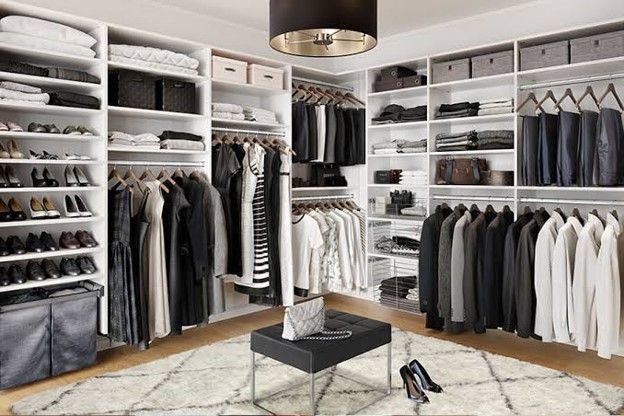
A closet can hold plenty and still be frustrating to use. If you are moving five hangers to reach one shirt or pulling shoes from a pile every morning, the available storage is not doing its job.
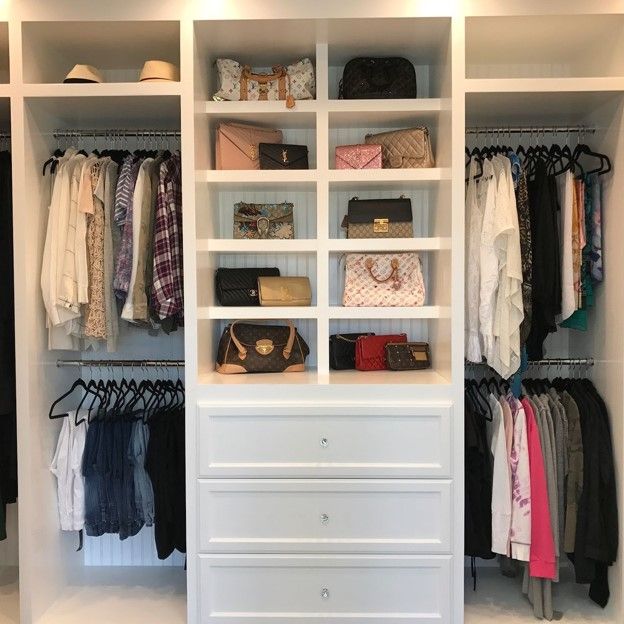
Closet organization in Los Angeles homes should begin with the way the wardrobe is actually used. Everyday clothing needs easy access. Seasonal pieces can be moved out of prime space. Shoes should be visible enough to find without creating another pile. Accessories need a home that makes sense for the person using them. There is no prize for having the most beautifully arranged closet if you still cannot get dressed without making a mess.
Do Not Forget the Garage
The garage often gets whatever the rest of the house cannot accommodate. That is understandable, but it creates a familiar problem: nothing has a clear home, so everything gets pushed aside. Tools end up beside holiday decorations. Sports equipment occupies the easiest walking path. Old boxes become obstacles that nobody wants to sort through. A useful garage setup starts with zones. Keep related things together and place frequently used items where they can be reached without moving three other objects first. If something has not been touched in years, that is worth noticing too. Storage space is still space, and it is easy to underestimate how much of it disappears when every decision gets postponed.
Build Systems You Will Still Use Six Months From Now
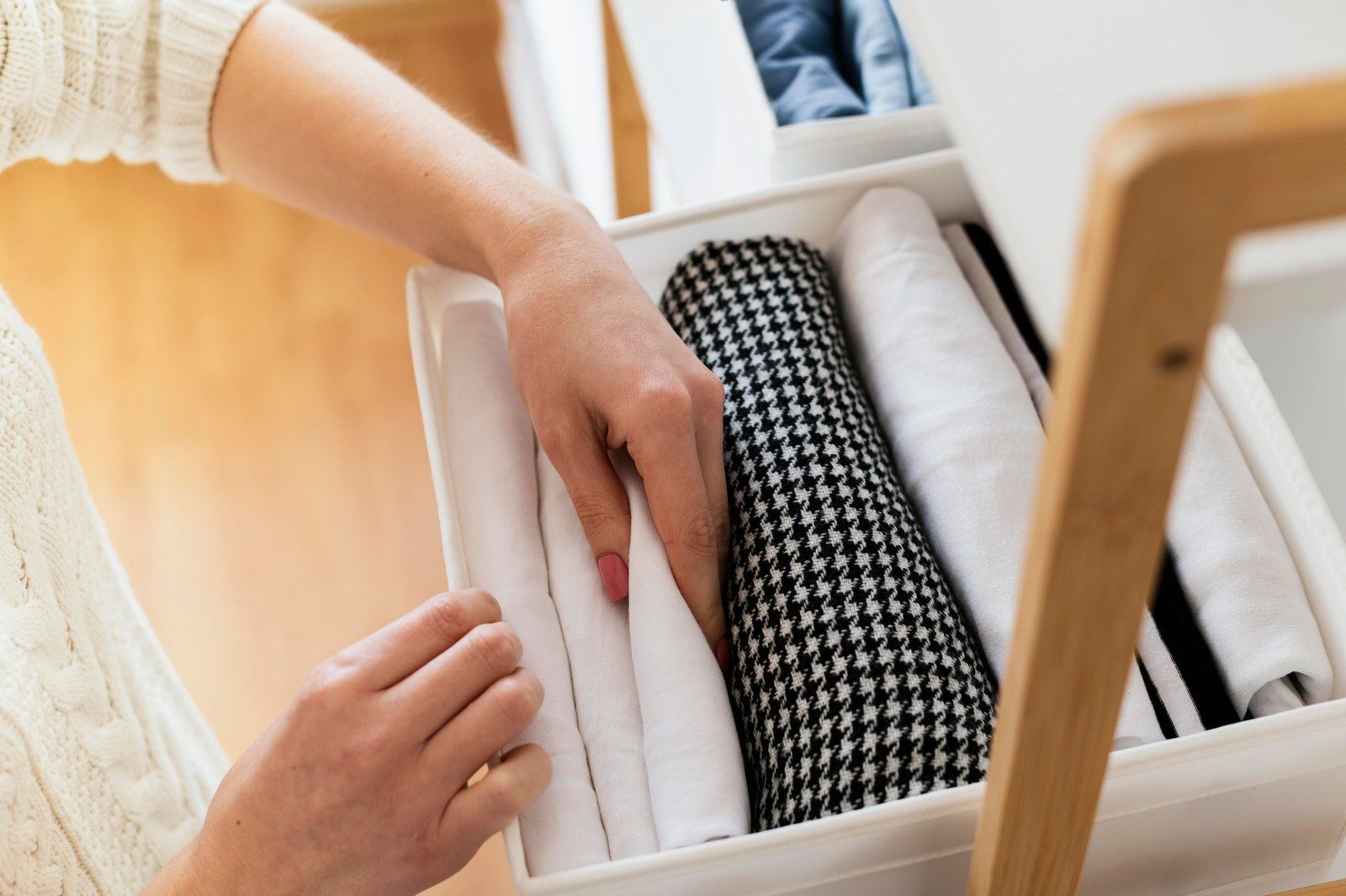
The best organizing system is usually not the cleverest one. It is the one that requires the least thought. If putting something away means opening a box, moving another container, and reaching to the back of a shelf, it probably will not happen consistently. Everyday items should be easy to return. Drawers can be useful for smaller categories. Open storage can make sense for things used constantly. Labels have their place, especially when several people share a space, but labeling every container in sight is not organization for its own sake. The system should remove friction from your routine, not add another chore to it.
Work Room by Room Instead of Trying to Fix Everything
There is a certain satisfaction in emptying an entire house and starting fresh, but most busy people do not have the time or energy for that approach. Working room by room gives you more useful context. Once the kitchen is functioning properly, you may realize which appliances genuinely earn their space. After the bedroom is sorted, you may see that some of the closet overflow never needed to be there. One improvement can reveal the next problem without creating five new ones. That is a much more manageable way to approach a home that has gradually become crowded.
Sometimes the Hard Part Is Deciding
People often assume organizing is mostly about folding, sorting, and finding containers. In practice, the decisions usually take more energy. Does this belong here? Do we actually use it? Why is this stored in the garage? Would it be easier somewhere else? Those questions add up, especially when you are already juggling work and personal responsibilities. The Spatial Guy approaches organizing by looking at the space, the belongings, and the habits that have developed around them. Having someone guide those decisions can make a project move forward when it has been sitting on your to-do list for months.
Conclusion
You do not need a perfectly organized house to feel a real improvement. Choose the room that wastes your time or irritates you most often. Fix the specific issue rather than trying to redesign everything. Give commonly used items sensible homes, make those homes easy to reach, and leave yourself enough flexibility for real life. That last part matters. Homes are lived in, not staged. If you are ready to make your space easier to use and maintain, contact us to schedule a consultation and start with the area that needs the most attention.
FAQs
1. Where should I start when my whole house feels cluttered?
Start with the space that wastes your time most, like the entryway, closet, or home office. The Spatial Guy can help you spot that area and fix it first, instead of redoing everything.
2. Why is organizing so hard even when I know what needs to be done?
The hardest part is usually the decisions: does this belong here, do we use it, would it work better elsewhere? The Spatial Guy looks at your space, belongings, and habits to guide those decisions.
3. Can a professional help with my closet and garage?
Yes, a closet can be arranged around your morning routine, and a garage can be divided into clear zones. Everyday items stay easy to reach, while rarely used ones move out of prime space.
4. Will I need to organize my whole house at once?
No, working room by room is more practical for busy professionals. Each finished room shows you what the next one needs.
5. How do I get started with professional organizing?
Schedule a consultation with The Spatial Guy and begin with the area that needs the most attention. The goal is a space that is easy to use and maintain, not a perfectly staged home.