Start by Understanding What Is Causing the Clutter
There's a particular kind of tiredness that comes from living in a cluttered home, and it isn't really about the mess itself. It's the low hum of unfinished business that follows you from room to room. You walk past the hallway closet and remember you meant to deal with it three weekends ago. You open a kitchen drawer looking for scissors and instead find a tangle of rubber bands, dead batteries, and a manual for an appliance you no longer own. None of it is dramatic, but it adds up, and eventually the whole house starts to feel like a to-do list you can't finish. The good news is that you don't have to fix everything at once. You just have to figure out where the real friction is and start there.
Identify the Spaces That Need the Most Attention
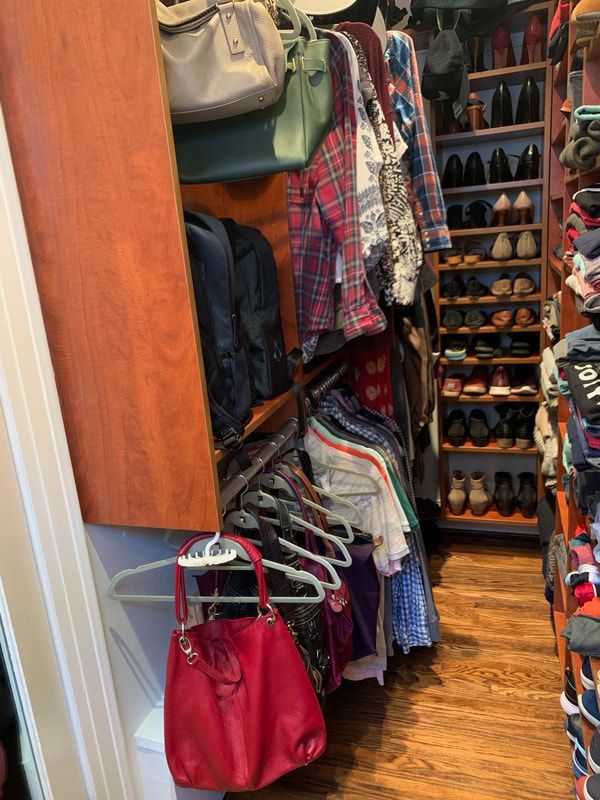
Most people assume organizing means tackling the entire house in one exhausting weekend, garbage bags everywhere, and everyone in a bad mood by dinnertime. That approach rarely sticks, and honestly, it isn't necessary. What actually works is paying attention to which spaces are causing you the most day-to-day frustration. Maybe it's the closet that makes getting dressed in the morning feel like an archaeological dig. Maybe it's a kitchen so packed with things you never use that the things you do use are impossible to find. Or maybe it's a home office where paperwork has quietly taken over the desk, the chair, and half the floor. These are the spaces worth starting with, because they're the ones touching your life the most often.
Create a Plan That Fits Your Home
We spend a good amount of time simply listening before we start moving anything. How do you actually use this room? What's the part of your routine that keeps snagging? What have you tried before that didn't work, and why do you think it fell apart? These aren't throwaway questions. A system that looks beautiful on day one but ignores how you actually live will collapse within a month, and you'll be right back where you started, just with nicer bins. Understanding the real pattern of a household is what separates an organizing project that lasts from one that quietly unravels.
If you're working with a
professional organizer in West Hollywood, that local piece matters more than people expect. Homes here come with their own quirks, tight closets in older buildings, kitchens designed decades before anyone owned an air fryer, and offices carved out of what used to be a guest room. A plan built around your actual home, not a generic template pulled from somewhere else, tends to hold up a lot better over time.
Take It One Room at a Time
The room-by-room approach tends to work best, and not just because it's less overwhelming.
Room-by-room organizing in Los Angeles lets each space get the attention its specific purpose deserves. A kitchen needs to be organized around how meals actually get made in your house, not some idealized version of cooking you saw online. A closet should reflect how you get dressed, not how a magazine spread wants you to get dressed. Garages, offices, and playrooms all have different jobs, and treating them the same way usually backfires. Once one room is finished and stays finished, it becomes proof that the process works and that momentum tends to carry into the next space without much extra effort.
Focus on Areas That Impact Your Routine
When you are figuring out where to start, evaluate the places that take up the most of your time. Organizing these areas generally produces the biggest improvement:
●
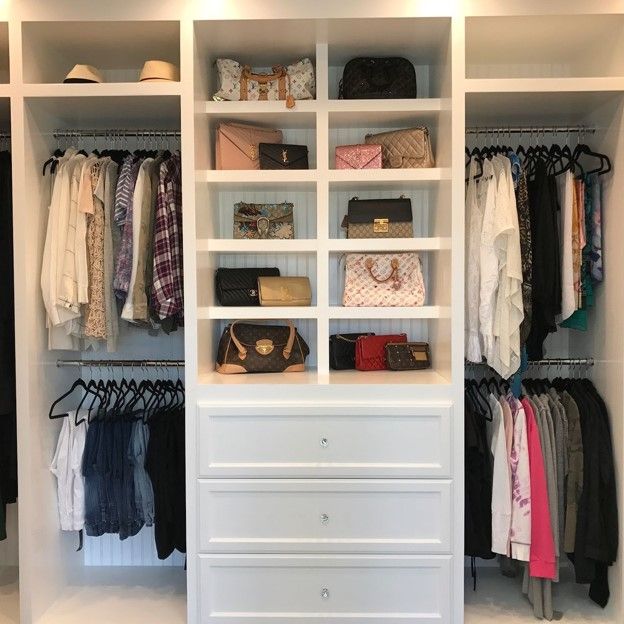
Make your day easier with closets that let you see and reach your clothes and accessories.
●
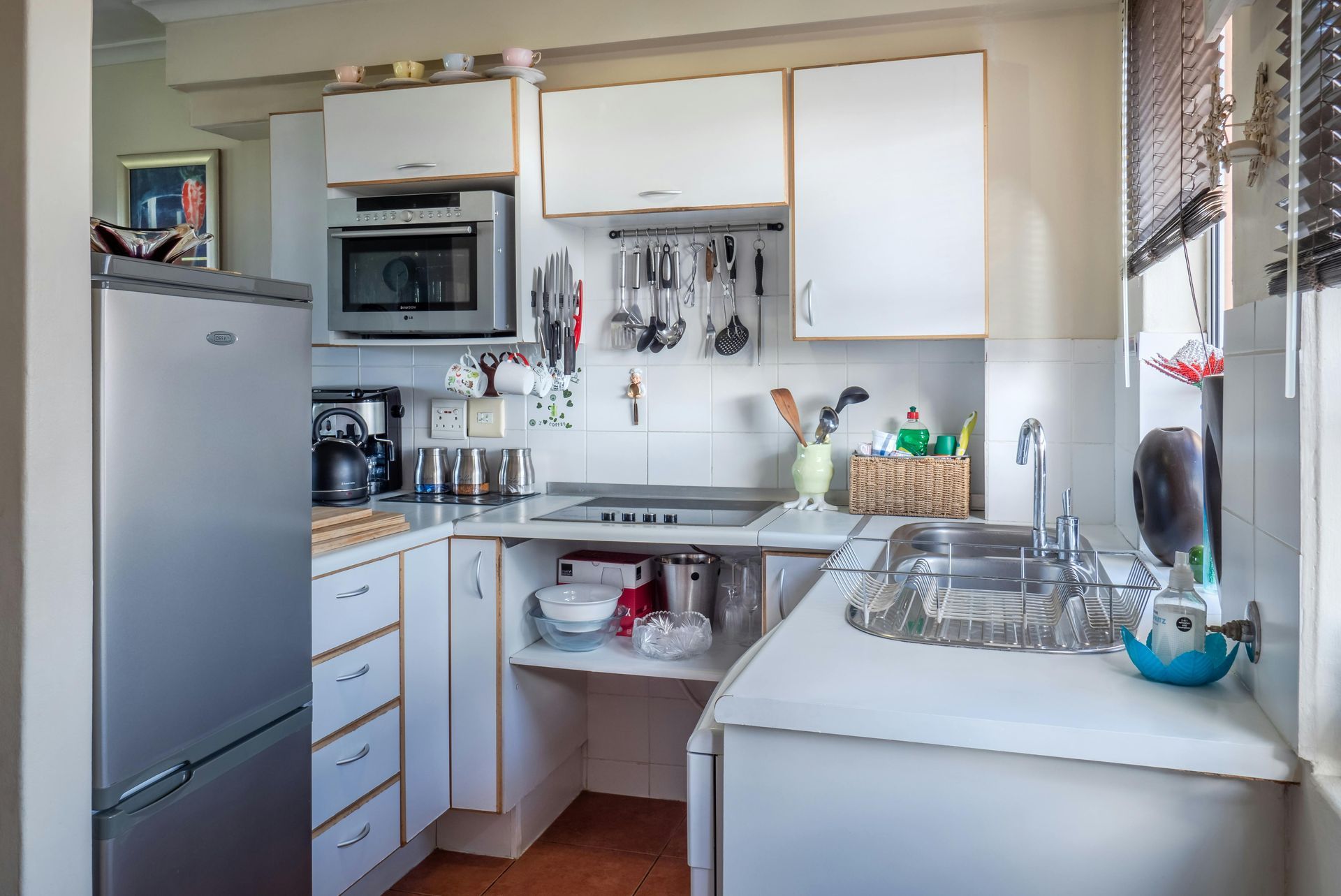
Kitchens where you can arrange the drawers, cabinets, and counters to match the way you actually cook.
●
Home offices where paperwork, technology, and supplies can be managed for increased attention.
●
Garages are places where storage systems can help you free up valuable space and increase functionality.
Build Systems Should Be Easy To Maintain
The success of an organizing endeavor goes beyond simply knowing where to put things. This is about developing habits and procedures that continue to work after the organizational process is complete. Every home has individual needs, and that is why custom solutions are important. A busy household may require easy storage systems that everyone can adhere to, while a person working from home may require a setup that focuses on productivity and efficiency. The finest solutions are those that blend seamlessly into your everyday life.
Why Professional Guidance Can Make the Process Easier
At The Spatial Guy, we've learned no two homes work the same way, and that's honestly why we skip the cookie-cutter approach. Before we touch anything, we spend real time noticing how you actually move through your space, what's been quietly bugging you, and where things keep piling up, no matter how many times you clear them. From there, we build systems that feel like they belong in your home, not something you have to remember to maintain. And the difference isn't just a tidier house. It's that small, real feeling of walking through the door and actually exhaling.
Conclusion
You don't need to overhaul your entire home to feel the difference. Sometimes it starts with a single drawer that finally makes sense, or one shelf that stops driving you a little crazy every time you look at it. From there, the rest tends to follow more easily than people expect. If your home has been feeling like more work than it should, reach out to us at The Spatial Guy, and we'll talk through where to begin.
FAQs
1. How do I know which room to organize first?
Start with the space that causes the most daily frustration. Improving one high-use area often makes the biggest impact.
2. Is it better to organize my whole home at once?
Not usually. Focusing on one room at a time makes the process more manageable and helps create lasting habits.
3. What does a professional organizer actually do?
A professional organizer creates practical systems based on how you live, making your home easier to use and maintain.
4. How long does it take to organize a home?
The timeline depends on the size of your home and the amount of organizing needed. Many homeowners begin with one room and build from there.
5. Will my home stay organized after the project is finished?
Yes, when the systems are designed around your daily routine, they are much easier to maintain over the long term.